Sports Injury Treatment in Nagpur: When is the right time to get it?
A sports injury rarely feels lingering on a day without pain after a game, a gym session, or a run. You rest for a few days, maybe apply ice, take a painkiller, and assume it will settle. For some people, it does.
But for many, the pain comes back the moment activity resumes. Sometimes it feels sharper. Sometimes it feels deeper. Sometimes it creates hesitation, a fear of moving freely.
If you are searching for sports injury treatment in Nagpur, it usually means the injury has reached a point where guessing is no longer working. You are not just looking for relief. You are looking for clarity.
If that is the case, then let me guide you, my dear friend. I have been practising as a sports injury doctor in Nagpur for quite some time now, and I know your pain and how to heal it.
Why sports injuries feel different from routine pain
Sports injuries behave differently from everyday joint or muscle pain.
They often occur due to sudden overload, repetitive strain, fatigue, or improper technique. The body may still allow movement, but the injured tissue is not fully healed.
This creates a pattern many athletes recognise. Pain settles with rest but returns with activity.
This cycle is frustrating and confusing. It is also risky.
Treating a sports injury like routine pain often delays healing and increases the risk of long-term damage.
Common sports injuries seen in active individuals
In my practice, I commonly see sports injuries related to running, gym workouts, cricket, football, badminton, and recreational fitness activities.
These include:
- Muscle strains and partial tears
- Ligament injuries such as ACL, meniscus, or ankle sprains
- Shoulder and elbow injuries from weight training or racket sports
- Knee injuries related to running and jumping
- Tendon injuries caused by repetitive stress
Each of these injuries heals differently. What helps one injury can worsen another. That is why a precise diagnosis matters so much.
Why accurate diagnosis matters more than anything else
Many sports injuries feel similar at first. Pain, stiffness, or weakness can occur regardless of whether the problem is muscular, ligamentous, or tendon-related.
Continuing activity without knowing the exact injury is one of the most common reasons recovery gets delayed.
Proper sports injury treatment in Nagpur begins with understanding:
- How the injury occurred
- Which movements increase pain or instability
- Whether strength, balance, or confidence has reduced
- How the injury affects performance, not just comfort
A detailed physical examination often provides most of the answers. Imaging, such as X-rays or MRI scans,s is advised only when it helps confirm the diagnosis or guide treatment decisions.
Diagnosis is not just about identifying damage. It is about understanding how that damage affects movement and function.
How a sports injury doctor’s approach is different
This is something many patients realise only after treatment begins.
A general orthopaedic approach focuses on healing tissue and reducing pain.
A sports injury approach focuses on healing and helping you return to activity safely.
As a sports injury doctor, I look at:
- Movement patterns that may have caused the injury
- Muscle imbalances or flexibility issues
- Training habits and workload
- The level of activity you want to return to
The goal is not just recovery. The goal is functional recovery without repeated injury.
How common are sports injuries occur
Understanding how injuries happen helps both treatment and prevention.
Sports injuries commonly occur due to:
- Sudden increase in training intensity or duration
- Poor warm-up or fatigue
- Incorrect technique during workouts or sports
- Weak supporting muscles or poor flexibility
- Playing through pain
For example:
- Knee and ankle injuries are frequent in football, cricket, and running
- Shoulder and elbow injuries are common in gym workouts and racket sports
- Back and hip injuries often relate to posture and core weakness
Recognising these patterns allows treatment to address not just the injury, but the reason it occurred.
What to do immediately after a sports injury
Early care can significantly influence recovery.
Before reaching a sports injury specialist, basic first aid includes:
- Resting the injured area and avoiding painful activity
- Applying ice to reduce pain and swelling
- Using compression or support if needed
- Elevating the injured limb when possible
Avoid aggressive stretching, massage, or returning to sport through pain.
What feels manageable initially can worsen quickly without proper care.
What sports injury treatment usually involves
Once the diagnosis is precise, treatment follows a structured plan.
The first step is settling pain and inflammation so healing can begin. This may involve short-term medication and guidance on activity modification.
As pain reduces, controlled movement is introduced. Complete rest for long periods often leads to stiffness and delayed recovery.
After a sports injury, pain may reduce in a few days. But that does not mean the injury is fully healed. The muscles, ligaments, or tendons may still be weak or stiff. Rehabilitation focuses on fixing that.
In simple terms, rehabilitation includes:
- Gentle exercises to restore movement
- Gradual strengthening of injured muscles
- Improving balance and control
- Training the body to move safely again
It is done step by step. You do not rush back to full activity. Each stage prepares your body for the next.
Good rehabilitation reduces the chance of reinjury. It helps you return to sports or daily activities with confidence, not fear.
Rehabilitation is not about pushing through pain.
It is about recovering smartly and safely.
When injections or surgery are considered
Most sports injuries recover without surgery.
Injections may be advised when pain prevents progress despite appropriate rehabilitation. They are used selectively and with a clear purpose.
Surgery is considered only when:
- There is significant structural damage
- Conservative treatment has failed
- Continuing activity risks long-term harm
When surgery is needed, recovery planning and return-to-play goals are always part of the discussion.
Recovery is physical and mental.
I understand, a sports injury isn’t just an injury for a sports person. It affects confidence as much as the body.
Many athletes fear reinjury or losing fitness. But trust me, recovery is gradual. With proper guidance and realistic expectations, you can quickly gain control of the situation.
Good sports injury treatment in Nagpur supports both physical healing and mental readiness to return.
When you should seek professional help
Do not ignore a sports injury if:
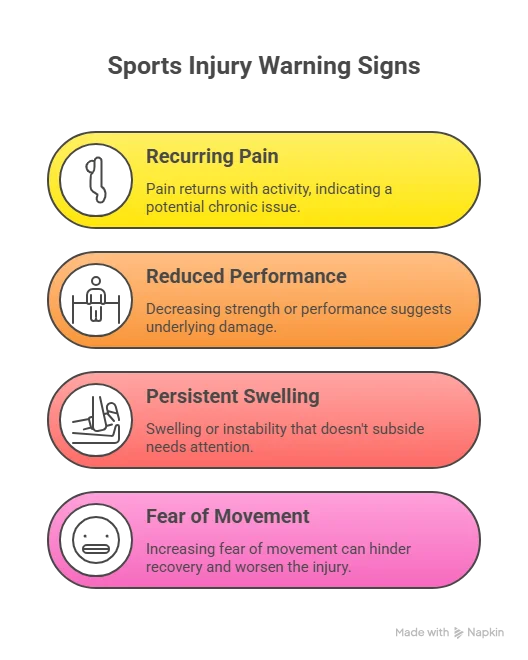
Early evaluation often leads to faster, safer recovery.
A final word
If you are looking for the best sports injury doctor in Nagpur, what you truly need is someone who understands injury, movement, and recovery together.
Sports injury treatment in Nagpur is not about stopping you from being active. It is about helping you return safely, confidently, and without long-term damage.
With the right diagnosis and structured care, most athletes and active individuals get back to doing what they love.
Latest Post