Sports Injury Treatment in Nagpur
Advanced Sports Medicine & Arthroscopy
Quick Enquiry
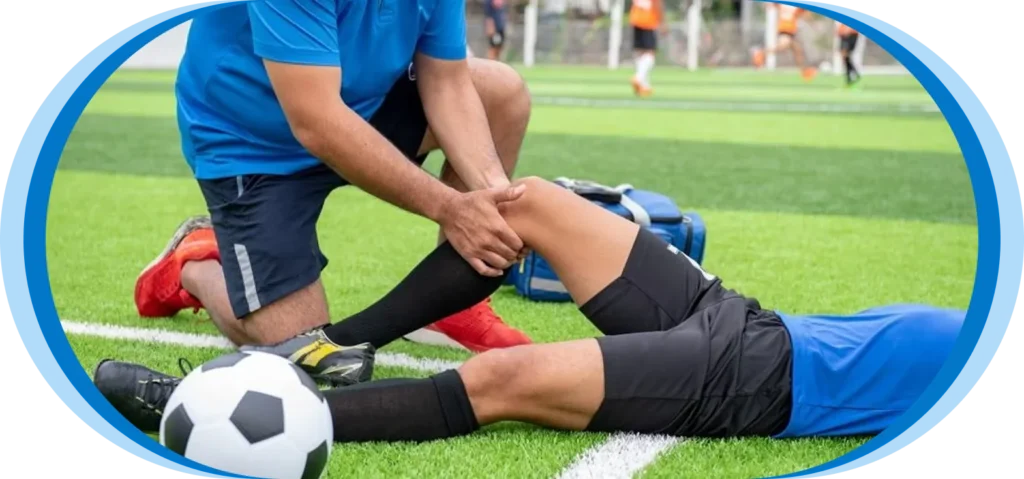
Expert Care That Gets You Back in the Game
Whether you’re a professional athlete, weekend warrior, or fitness enthusiast, a sports injury can feel like a setback that disrupts not just your physical activities, but your entire lifestyle.
At Dr. Siddharth Jain’s Arthroscopy & Sports Injury Centre in Nagpur, we understand that every moment away from your sport matters. That’s why we’re committed to providing comprehensive, compassionate care that focuses on your swift and safe recovery.
Understanding Sports Injuries: What You Need to Know
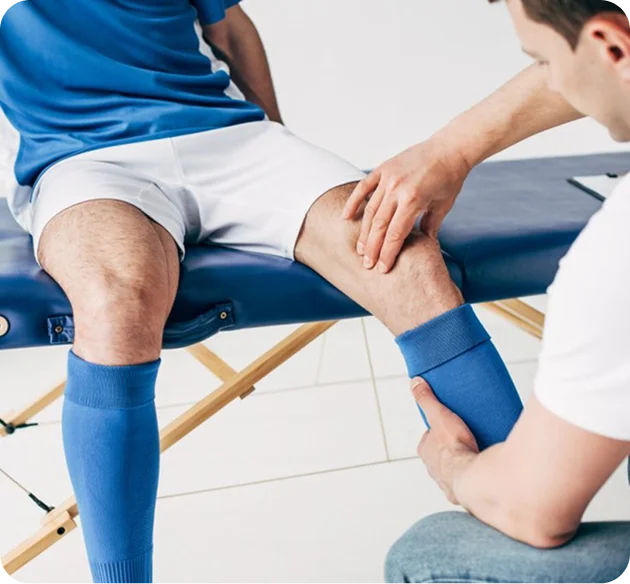
What is a Sports Injury?
A sports injury refers to any type of harm or damage to the body that occurs during physical activity, exercise, or athletic participation. These injuries can range from minor sprains and strains to more severe conditions requiring surgical intervention.
Sports injuries typically fall into two categories:
- Acute Injuries
These occur suddenly during activity, such as a twisted ankle, torn ligament, or fracture from a fall or collision.
- Chronic Injuries
These develop gradually over time due to repetitive stress, overuse, or improper technique, like tendonitis or stress fractures.
Common Risk Factors for Sports Injuries
Understanding what increases your risk of injury can help you take preventive measures:
- Being out of shape or returning to activity too quickly after a break
- Using improper equipment or worn-out gear
- Skipping warm-up exercises or cool-down stretches
- Participating in high-impact or contact sports without proper conditioning
- Ignoring pain signals or pushing through discomfort
- Poor technique or biomechanics during activities
- Previous injuries that haven’t fully healed
Our Comprehensive Sports Injury Services in Nagpur
Knee Injury Treatment:
Advanced Solutions for Complex Problems
The knee is one of the most commonly injured joints in sports.
Dr. Siddharth Jain specialises in both surgical and non-surgical treatment of knee injuries, helping patients regain stability, strength, and confidence.

ACL Reconstruction & Revision Surgery
Advanced arthroscopic techniques for torn anterior cruciate ligaments, helping athletes safely return to sports involving cutting, jumping, and pivoting movements.
PCL Reconstruction & Ligament Injuries
Expert treatment of posterior cruciate ligament and complex multi-ligament knee injuries with precision arthroscopic surgery.
Meniscus Surgery & Repair
Preserving your natural meniscus whenever possible through repair techniques that maintain knee structure and function.
Knee Cartilage Injury Treatment
Advanced cartilage restoration procedures to prevent early arthritis and restore smooth joint movement.
Jumper's Knee & Patellofemoral Pain
Comprehensive treatment for patellar tendonitis and kneecap pain common in jumping and running sports.
Knee Osteotomy
Realigning the knee joint for younger patients to relieve pain and delay knee replacement.
Shoulder Injury Treatment:
Restoring Function and Eliminating Pain
Dr. Jain’s expertise in shoulder arthroscopy ensures precise treatment with minimal tissue disruption and faster recovery times.

Rotator Cuff Tears & Repair
Arthroscopic repair of torn rotator cuff muscles and tendons with excellent outcomes and faster recovery.
Shoulder Arthroscopy
Minimally invasive treatment for impingement, loose bodies, inflammation, and various shoulder conditions.
Labral Tears & SLAP Repair
Expert treatment of cartilage ring tears, especially common in overhead athletes and throwing sports.
Shoulder Instability & Dislocation
Addressing recurrent dislocations and shoulder "slipping" to restore stability and confidence.
Bankart Injury & Repair
Arthroscopic reattachment of torn labrum to prevent recurrent shoulder dislocations.
Frozen Shoulder Treatment
Multimodal approach combining therapy and arthroscopic release to restore range of motion.
Shoulder Replacement
Total and reverse shoulder replacement for severe arthritis or complex fractures.
Ankle & Foot Injury Treatment
Getting You Back on Your Feet
Comprehensive treatment for ankle and foot injuries, from acute sprains to chronic instability conditions.

Achilles Tendon Rupture
Surgical repair and advanced rehabilitation tailored to your activity level and recovery goals.
Ankle Sprains & Ligament Injuries
Accurate diagnosis and appropriate treatment from conservative care to surgical reconstruction.
Foot & Ankle Arthroscopy
Minimally invasive treatment for impingement, loose bodies, cartilage damage, and inflammation.
Ankle Instability Treatment
Strengthening programs and surgical stabilisation for ankles that repeatedly "give way."
Hip, Elbow & Other Joint Injuries

Hip Labral Tear & Hip Pain
Treatment for labral tears and femoroacetabular impingement (FAI) limiting athletic performance.
Tennis Elbow & Golfer's Elbow
Effective management of lateral and medial epicondylitis from overuse.
Biceps Tendon Tears
Precise repair techniques for distal and proximal biceps injuries.
Elbow Arthroscopy
Minimally invasive treatment for loose bodies, arthritis, and other elbow conditions.
Fracture & Trauma Treatment
Expert care for sports-related fractures, from simple to complex injuries requiring surgical fixation.
Types of Sports Injuries We Treat

- Sprains
A sprain occurs when ligaments (the tough bands of tissue connecting bone to bone) are overstretched or torn. Common in ankles, knees, and wrists, sprains range from mild (Grade I) to severe (Grade III) complete tears.
Symptoms:
Pain, swelling, bruising, limited mobility, and joint instability.

- Strains
A strain involves overstretching or tearing of muscles or tendons (which connect muscles to bones). Common areas include hamstrings, quadriceps, and calf muscles.
Symptoms:
Muscle pain, spasm, swelling, cramping, and difficulty moving the affected area.

- Fractures
Fractures are breaks or cracks in bones, ranging from hairline stress fractures to complete breaks. Sports fractures can be acute (from trauma) or stress fractures (from repetitive overload).
Symptoms:
Severe pain, swelling, visible deformity, inability to bear weight, and sometimes a popping or cracking sound at the injury.
- Dislocations
A dislocation occurs when a bone is forced out of its normal position in a joint. Common in the shoulders, fingers, and kneecaps, dislocations require immediate medical attention.
Symptoms:
Visible deformity, severe pain, swelling, immobility, and sometimes numbness.
Treatment Approaches:
From Conservative Care to Advanced Surgery
Non-Surgical Treatment Options
Not every sports injury requires surgery. In fact, many injuries respond excellently to conservative treatment when properly managed.
- R.I.C.E. Protocol for Acute Injuries
For the first 24-48 hours after injury, the R.I.C.E. protocol is essential:
- Rest: Avoid activities that cause pain or stress in the injured area
- Ice: Apply ice packs for 15-20 minutes every 2-3 hours to reduce swelling
- Compression: Use elastic bandages to control swelling (not too tight)
- Elevation: Keep the injured area raised above heart level when possible
- Physiotherapy & Rehabilitation
Physical therapy is crucial for both non-surgical and post-surgical recovery. Physiotherapy programs focus on:
- Pain and stiffness relief
- Restoring range of motion
- Rebuilding strength and stability
- Sport-specific training and conditioning
- Injury prevention strategies
- Advanced Injection Therapies
- Platelet-Rich Plasma (PRP) Injections: Harness your body’s natural healing factors to accelerate tissue repair
- Corticosteroid Injections: Reduce inflammation and pain in specific conditions
- Viscosupplementation: For certain joint conditions requiring lubrication
- Medications & Pain Management
Appropriate use of anti-inflammatory medications, pain relievers, and other medications as part of a comprehensive treatment plan.
Surgical Treatment Options
When conservative treatment isn’t sufficient, or for specific acute injuries, surgery may be the best path to full recovery.
- Arthroscopic Surgery (Minimally Invasive)
Arthroscopy is our preferred surgical approach whenever possible. Benefits include:
- Smaller incisions (typically 1-2 small punctures)
- Less tissue damage and scarring
- Reduced post-operative pain
- Faster recovery and return to sport
- Lower infection risk
- Outpatient or short-stay procedures
- Arthroscopic procedures we perform:
- Shoulder arthroscopy (rotator cuff repair, labral repair, stabilisation)
- Knee arthroscopy (ACL/PCL reconstruction, meniscus repair, cartilage procedures)
- Ankle arthroscopy (impingement removal, ligament repair, cartilage treatment)
- Hip arthroscopy (labral repair, FAI correction)
- Elbow arthroscopy
- Open Surgical Procedures
Some complex injuries require traditional open surgery for optimal repair. Dr. Jain’s extensive training in trauma and reconstructive surgery ensures excellent outcomes even in complicated cases.
Why Choose Dr. Siddharth Jain for Sports Injury Treatment in Nagpur?
Specialised Expertise in Sports Medicine & Arthroscopy
Dr. Siddharth Jain brings years of specialised training in orthopaedic surgery, trauma care, and advanced sports injury management. With qualifications including MS (Orthopaedics) and DNB (Orthopaedics), Dr. Jain has dedicated his practice to helping athletes and active individuals recover from injuries and return to peak performance.
Minimally Invasive Arthroscopic Techniques
Dr. Siddharth prioritises advanced keyhole surgery, which means smaller incisions, less pain, and faster recovery times for our patients
Personalised Treatment Plans
Every athlete is unique, and so is every injury. We create customised rehabilitation programs tailored to your specific sport, injury, and goals.
Comprehensive Care from Diagnosis to Recovery
From your first consultation through post-operative rehabilitation, we're with you at every step
Treatment for All Skill Levels
Whether you're an amateur player or professional athlete, you deserve expert care that respects your athletic aspirations
Advanced Diagnostic Technology
We use the latest imaging and diagnostic tools to assess your injury and plan the most effective treatment accurately
frequently asked questions
Do I really need surgery for my sports injury?
This is one of the most common questions we hear, and it’s an important one. The honest answer is: not always. Dr. Jain believes in a conservative-first approach whenever appropriate. During your consultation, we’ll thoroughly evaluate your injury, discuss your symptoms, activity goals, and lifestyle, and present all available treatment options.
Surgery is recommended when:
- Conservative treatment has failed to provide adequate relief
- The injury is severe (complete ligament tear, significant cartilage damage)
- Your injury causes instability that increases the risk of further damage
- You want to return to high-level athletic activities safely
The decision is always made together, ensuring you understand the benefits, risks, and expected outcomes of each option.
What are the risks of sports injury surgery?
We believe in transparent communication about both benefits and risks. While modern arthroscopic techniques are very safe, all surgical procedures carry some risks:
Common risks include:
- Infection (sporadic with arthroscopy, typically less than 1%)
- Bleeding or blood clot formation
- Temporary pain or stiffness
- Reaction to anaesthesia
- Nerve or blood vessel injury (rare)
Procedure-specific risks:
- Re-tear or failure of repair
- Stiffness or loss of motion
- Need for additional surgery
Dr. Jain takes extensive precautions to minimise these risks, and we’ll discuss your individual risk factors during consultation. The vast majority of patients have successful outcomes with minimal complications.
When should I seek emergency care for a sports injury?
Some situations require immediate medical attention. Go to the emergency room or call for help if you experience:
- Severe swelling or deformity of a joint or limb
- Visible bone protruding through skin (open fracture)
- Intense pain that doesn’t improve with rest and ice
- Inability to bear weight or move the injured area at all
- Numbness, tingling, or colour changes in the affected limb
- A loud “pop” followed by immediate severe pain and swelling
- Difficulty breathing or chest pain (especially after chest/rib injury)
- Signs of concussion: confusion, loss of consciousness, severe headache, vomiting
For non-emergency situations, contact our office for a prompt evaluation.
How long will recovery take?
Recovery time varies significantly based on:
- Type and severity of injury
- Surgical vs. non-surgical treatment
- Your age, overall health, and fitness level
- Compliance with rehabilitation protocols
- Your activity and sport-specific demands
General timelines:
- Minor sprains/strains: 2-6 weeks
- Moderate ligament injuries: 6-12 weeks
- ACL reconstruction: 6-9 months to return to sport
- Rotator cuff repair: 4-6 months for full recovery
- Meniscus repair: 3-6 months
- Achilles tendon repair: 6-12 months
We’ll provide you with a personalised recovery timeline and work closely with you throughout your rehabilitation journey.
Will I be able to return to my sport?
Returning you safely to the activities you love is our primary goal. The vast majority of our patients successfully return to their sports, often performing even better than before injury due to improved strength and biomechanics gained through rehabilitation.
Success depends on:
- Following your rehabilitation program consistently
- Being patient with the healing process
- Gradually progressing activity as directed
- Addressing any contributing factors (technique, equipment, conditioning)
We’ll be honest about realistic expectations and work tirelessly to help you achieve your athletic goals.
How to Prevent Sports Injuries
Prevention is better than a cure. Follow these simple, science-backed steps to stay injury-free:
- Stay Fit Overall
Combine cardio, strength, flexibility, and mobility training. Mix up activities to prevent overuse.
- Warm Up Right
Spend 5–10 minutes doing dynamic stretches and sport-specific movements before any workout.
- Perfect Your Technique
Learn proper form from coaches and correct biomechanical issues early.
- Use Proper Gear
Wear sport-specific, well-fitted shoes and protective gear. Replace worn-out equipment regularly.
- Listen to Your Body
Rest when needed. Don’t push through pain or ignore warning signs of injury.
- Progress Gradually
Increase training volume slowly (no more than 10% per week) to allow safe adaptation.
- Maintain a Healthy Weight
Keep joints protected with a balanced diet and proper hydration.
- Rehab Old Injuries
Fully recover and strengthen weak areas before resuming intense activity.
Why Timely Treatment Matters
Delaying treatment for a sports injury can lead to:
Chronic Pain
Acute injuries can become chronic problems
Reduced Function
Progressive weakness and instability
Secondary Injuries
Compensating for one injury often leads to others
Early Arthritis
Cartilage damage & instability accelerate joint degeneration
Prolonged Recovery
Old injuries are often harder to treat effectively
Permanent Limitations
Some untreated injuries cause irreversible damage
Early evaluation and appropriate treatment give you the best chance of a full recovery and a return to your active lifestyle.
Our Patient-Centred Approach
What to Expect During Your First Visit
Comprehensive Evaluation
- Detailed discussion of your injury, symptoms, and goals
- Thorough physical examination
- Review of any previous imaging or medical records
- Discussion of your sport and activity requirements
Accurate Diagnosis
- Advanced imaging if needed (X-rays, MRI, ultrasound)
- Clear explanation of your diagnosis in understandable terms
- Discussion of how your injury affects function and activity
Personalised Treatment Plan
- Review of all treatment options (non-surgical and surgical)
- Honest discussion of expected outcomes and timelines
- Consideration of your lifestyle, goals, and preferences
- Shared decision-making about the best path forward
Compassionate Care Throughout Your Journey
We understand that an injury isn’t just physical—it also affects your mental and emotional well-being. Whether you’re frustrated about missing your sport, worried about recovery, or anxious about treatment, we’re here to support you.
Our commitment to you includes:
- Clear Communication: We explain everything in plain language, not medical jargon
- Accessibility: Multiple ways to reach us with questions or concerns
- Coordination: We work with your coaches, trainers, and other healthcare providers
- Support: Guidance and encouragement throughout rehabilitation
- Long-term Care: We remain available even after you’ve returned to activity