
Ankle Arthroscopy in Nagpur
Quick Enquiry

Your ankle bears your entire body weight with every step you take. When it hurts or becomes unstable, even short walks or daily chores can feel difficult. Many people ignore ankle pain, thinking it will get better on its own, but minor injuries, if untreated, can slowly damage the joint and affect balance and mobility.
Dr. Siddharth Jain, a fellowship-trained arthroscopy and sports injury specialist, offers ankle arthroscopy in Nagpur, a precise, minimally invasive way to diagnose and treat ankle problems with faster recovery and less pain.
Understanding the Ankle Joint
The ankle is a complex joint made of bones, cartilage, ligaments, and tendons that allow smooth movement and stability.
Because it supports your full weight and moves in many directions, it’s prone to injuries, especially in sports, uneven walking surfaces, or after sudden twists.
What Causes Ankle Pain or Injury?
Common causes include:
- Repeated sprains that stretch or tear the ligaments
- Cartilage damage from trauma or wear and tear
- Loose bone fragments after injury
- Inflammation (synovitis) due to overuse or arthritis
- Impingement – when soft tissues or bones pinch inside the joint
- Old, untreated injuries that never fully healed
- Sports injuries involving twisting, jumping, or sudden stops
Sometimes, even minor untreated injuries can lead to chronic pain, stiffness, or early arthritis if not appropriately addressed.
What Happens If Ankle Injuries Are Not Treated?
Ignoring ankle injuries may seem harmless at first, but over time it can cause:
- Recurrent sprains or instability – the ankle keeps twisting easily
- Chronic swelling and stiffness
- Cartilage wear and arthritis
- Joint deformity or bone spurs
- Reduced confidence while walking or running
Early evaluation prevents long-term damage and helps preserve joint health.
Non-Surgical Treatment Options
Before suggesting surgery, Dr. Siddharth Jain always recommends conservative care wherever possible. Depending on your condition, options may include:
- Rest and activity modification
- Ice and anti-inflammatory medicines
- Physiotherapy for strength and balance
- Bracing or ankle supports
If pain, swelling, or instability continues despite these treatments, ankle arthroscopy may be advised.
What Is an Ankle Arthroscopy?
Ankle arthroscopy is a keyhole procedure in which small incisions are made around the ankle. A thin camera (arthroscope) and delicate instruments are used to view and treat the inside of the joint.
- Benefits of arthroscopic surgery:
- Minimal pain and scarring
- Short hospital stay (often same-day discharge)
- Faster healing
- Early return to work or sports
- More accurate diagnosis and repair
Conditions We Treat With Ankle Arthroscopy in Nagpur
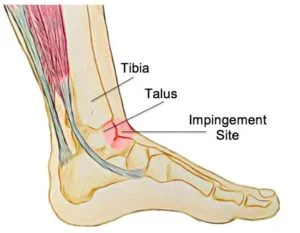
- Ankle Impingement (Front or Back of the Ankle)
Pain when bending or pointing the foot. Common in athletes and dancers.
Arthroscopy removes inflamed tissue or extra bone to restore the full range of motion.
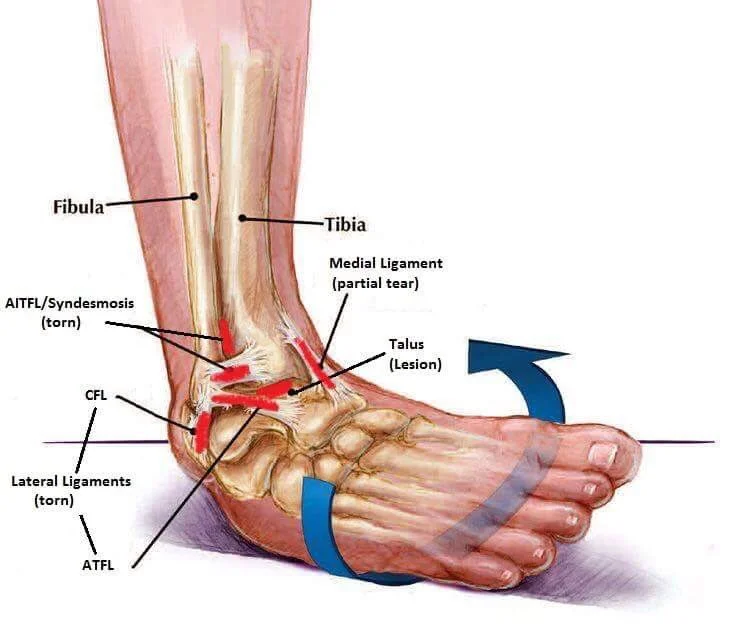
- Cartilage Injury / Osteochondral Defect
Damage to the smooth cartilage layer can cause deep ankle pain or a catching sensation.
Arthroscopy cleans and repairs the damaged area, often stimulating healing.
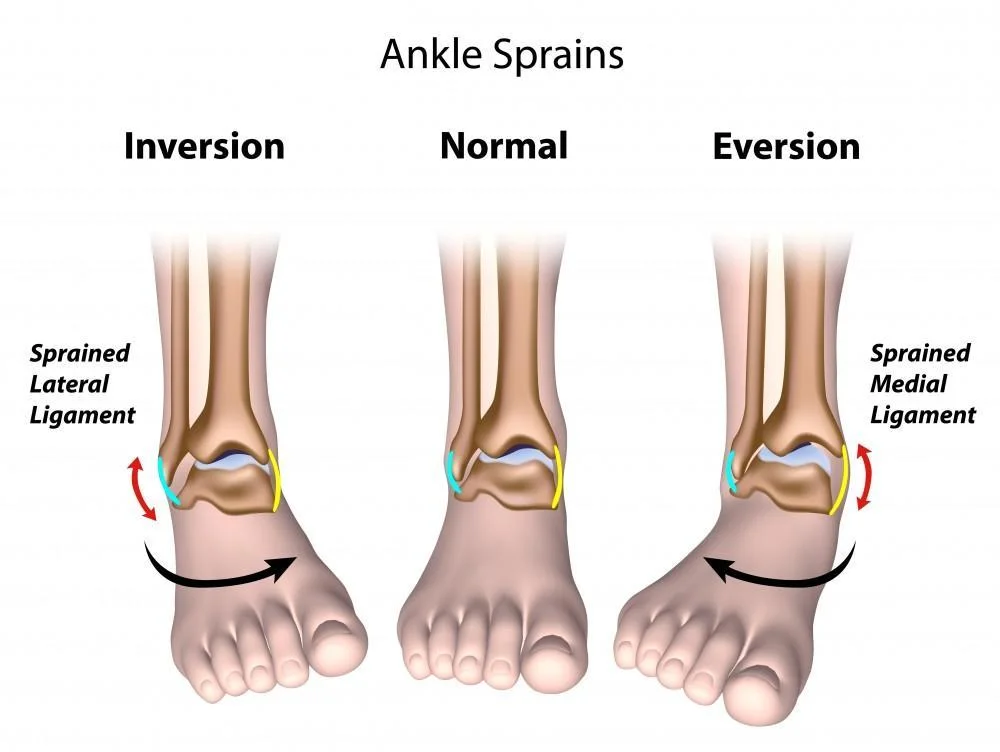
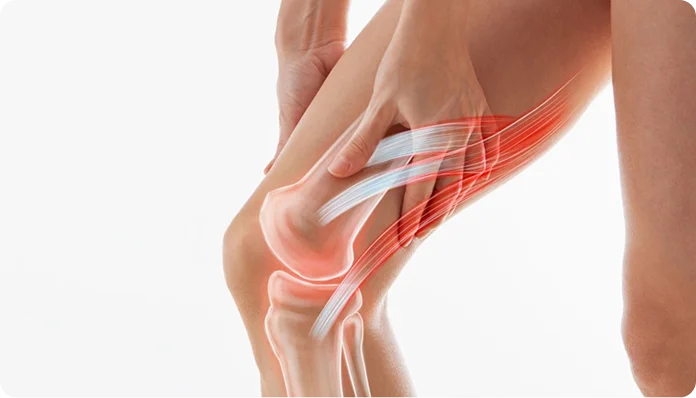
- Chronic Ankle Instability / Ligament Tear
If your ankle gives way often, you may have torn ligaments.
Arthroscopic ligament repair or reconstruction restores strength and stability.
- Loose Bodies / Bone Fragments
After an injury, small pieces of bone or cartilage may float inside the joint.
Arthroscopy safely removes them to relieve pain and clicking.
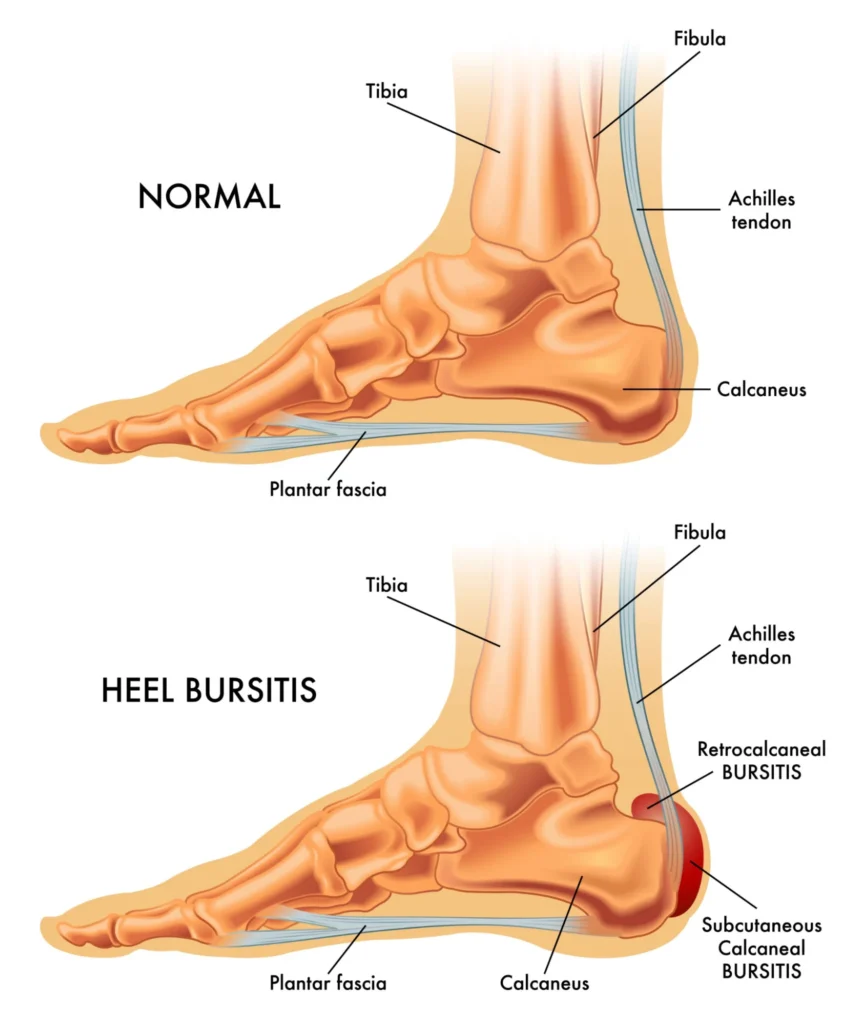
- Synovitis (Joint Lining Inflammation)
Inflamed synovium causes swelling and stiffness. Arthroscopy removes it precisely without affecting healthy tissue.
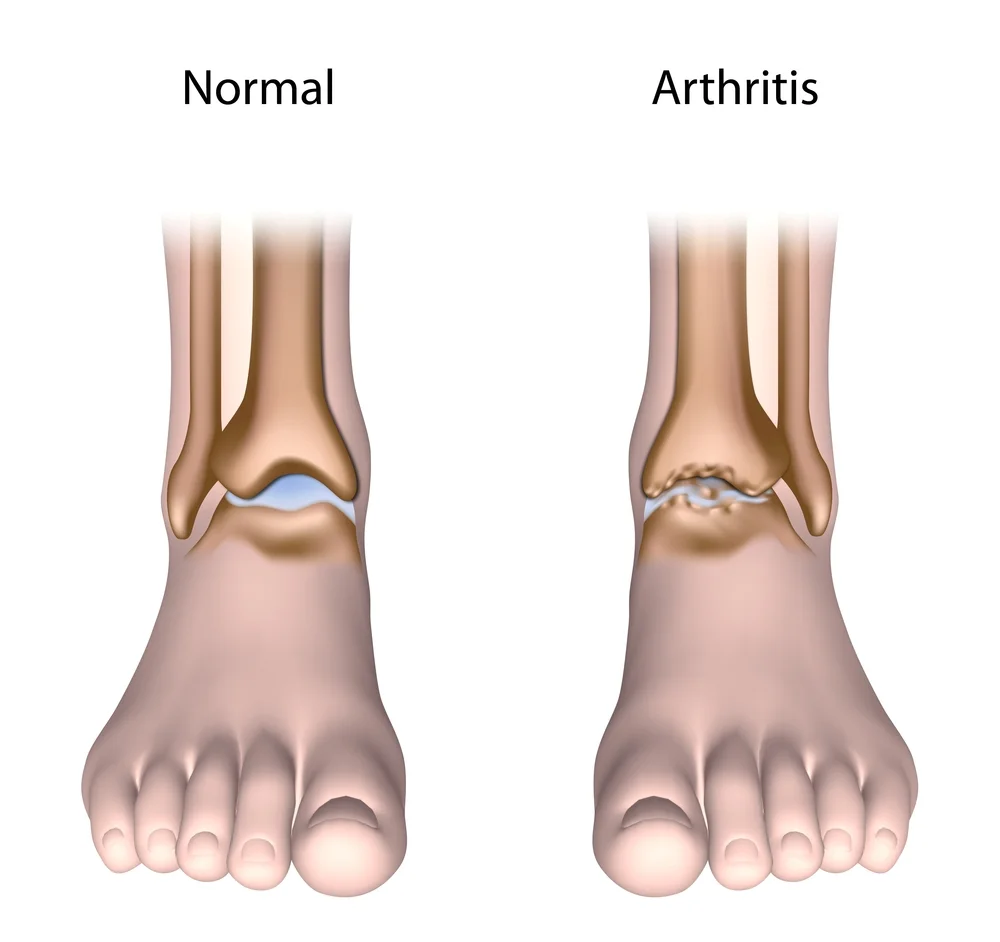
- Early Ankle Arthritis
In the early stages, arthroscopy helps smooth rough surfaces and remove debris, delaying further degeneration.
- Sports & Traumatic Injuries
Ideal for athletes who suffer from twisting, impact, or repetitive ankle injuries, enabling a safer, faster recovery.
How We Perform Ankle Arthroscopy in Nagpur
Diagnosis
A detailed physical exam and imaging (X-ray/MRI) are performed to determine the exact cause of the pain.
Surgery
Ankle arthroscopy is done under anaesthesia. Small (4–5 mm) cuts are made to insert the camera and tools. The surgeon treats damaged tissue, repairs ligaments, or removes bone spurs.
Recovery
Most patients can go home the same day. A light dressing or walking boot may be needed for a few days. Pain is mild and manageable.
Rehabilitation
Physiotherapy begins early to restore motion, balance, and confidence.
- Walking: 2–3 days (if stable)
- Office work: 1–2 weeks
- Sports: 2–3 months, depending on the injury
At Nagpur Arthroscopy & Sports Injury Centre, you’ll receive personalised care in a fully equipped setup with modern arthroscopy technology and expert physiotherapy support.
When Should You See an Ankle Specialist?
You should consult an ankle specialist if you experience:
- Pain or swelling lasting more than a few weeks
- Repeated ankle sprains or instability
- Stiffness or clicking while walking
- Pain during or after sports
- An old injury that never healed properly
Getting help early can save your joints and restore your active life.
Frequently Asked Questions about Ankle Arthroscopy in Nagpur
Is ankle arthroscopy always necessary?
No. It’s only advised when medicines, rest, and physiotherapy don’t work. The decision is made after thorough diagnosis and discussion.
How long does recovery take after ankle arthroscopy?
Most people walk comfortably in a few days and resume light work within one to two weeks. Sports or running may take 2–3 months to heal.
Is ankle arthroscopy painful?
It’s done under anaesthesia, so you don’t feel pain during surgery. Mild soreness after is normal and easily managed.
What are the benefits of ankle arthroscopy?
More minor cuts, less pain, faster recovery, and more precise treatment. It also lowers infection risk and helps diagnose conditions that scans may miss.
What happens if ankle injuries are ignored?
Untreated injuries can lead to recurrent sprains, chronic pain, cartilage wear, and arthritis. Early treatment helps protect your joint and prevents long-term disability.